
What Makes Computer-Guided Dental Implant Placement Different?
September 10, 2026
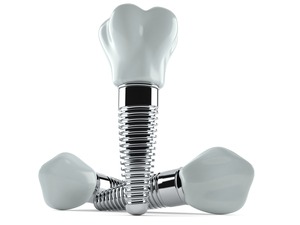
When it comes to rebuilding your smile with dental implants, the technology that your dentist uses could end up making all the difference. Nowadays, more and more dentists are performing computer-guided dental implant placement. What does this involve, and what advantages does it offer over traditional methods? Here’s what you need to know about this state-of-the-art approach to placing dental implants.
What is Computer-Guided Dental Implant Placement?
When planning computer-guided dental implant placement, your dentist will perform a cone beam computed tomography (CBCT) scan to create a comprehensive three-dimensional model of your mouth and jaw. The information provided by this model will be used to determine precisely where your dental implant posts need to be placed.
Your dentist will then create a surgical guide, which will be placed over your teeth and gums during dental implant placement. This guide will be used to ensure that each implant post is inserted in the exact right position at a carefully chosen angle.
What are the Benefits of Computer-Guided Dental Implant Placement?
Why is computer-guided dental implant placement growing more popular nowadays? The answer lies in the many benefits associated with it:
- Better Planning: Compared to the regular X-rays that may be taken for conventional dental implant placement, a CBCT scan captures much more information, such as the locations of nerves and blood vessels. This allows your dentist to plan your surgery down to the last detail.
- Improved Precision: During conventional implant placement, your dentist uses your teeth as guides to determine where the implant posts need to go. Compared to this approach, a customized surgical guide is much more precise.
- Higher Success Rates: The improved accuracy associated with computer-guided dental implant placement gives it a higher overall success rate and minimizes the chances of complications occurring during your surgery.
- Faster Healing Times: Knowing precisely where your dental implants need to go allows your dentist to make smaller incisions in your gums. Not only does this reduce discomfort, but it also shortens the amount of time that your mouth needs to heal after the procedure.
Does Your Dentist Offer Computer-Guided Dental Implant Placement?
When you decide to get dental implants to replace your missing teeth, it’s important to make sure you’ve chosen the right practice for the job. Don’t hesitate to reach out to your dentist to confirm whether they offer computer-guided dental implant placement. If they do, it could end up making all the difference during the process of filling in the gaps in your smile.
About the Author
Dr. Glen Goldstein is a reliable dentist with decades of experience under his belt. He received his dental degree from the University of Medicine and Dentistry of New Jersey, and he has received Fellowship and Diplomate status in the International Congress of Oral Implantology. At Randolph Dental Care, he offers precise, state-of-the-art computer guided dental implant placement. If you think that dental implants may be the best option for rebuilding your smile, you can schedule an appointment with Dr. Goldstein by visiting his website or calling (973) 895-7995.
No Comments
No comments yet.
RSS feed for comments on this post.
Sorry, the comment form is closed at this time.